
Most people consider dancing to be a harmless form of fun. You move your body to the music, maybe show off some embarrassing moves, and that’s that—free dopamine and a bit of a workout. But history has a weirdly intense relationship with dance to the point where people in power have treated it like something genuinely threatening. That’s why, in so many places and times, dancing has sparked panic, outrage, censorship, and even arrests.
Here are 8 times dance was treated like way more than just entertainment.
1. An Iranian teen got arrested over dance videos
One of the clearest modern examples of treating dancing as something dangerous is Maedeh Hojabri, an Iranian teenager whose Instagram videos showed her grooving and moving in her room to Persian and Western pop songs. Unfortunately, in Iran, women face strict rules about dancing in public and appearing without a headscarf. For that, Hojabri was arrested, then appeared on state TV in what looked a lot like a forced confession. Many Iranian women responded to Hojabri’s arrest by posting videos of themselves dancing in solidarity, turning it into an even louder act of protest.
2. Moral scolds have hated dancing for centuries
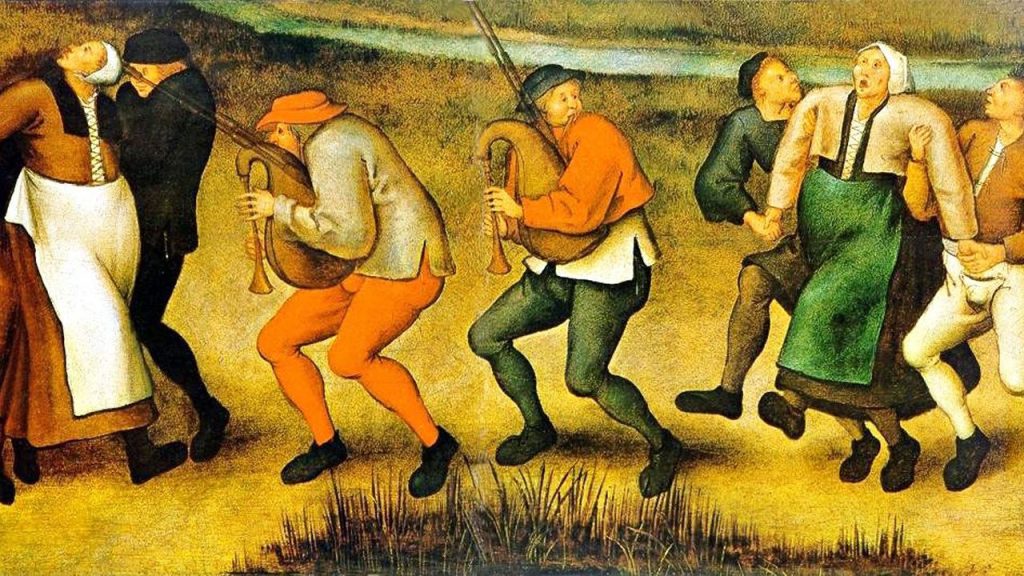
The outrage over dancing is not a modern phenomenon. This has been going on forever. Back in the 17th century, English writer William Prynne was already denouncing dance as basically a fast track to sin and social decay. And to this day, whenever a dance trend got too popular, too physical, or too fun, somebody was ready to call it immoral. To a certain kind of person, dancing has always looked suspicious because it involves the level of freedom they can’t control. That alone is enough to set off alarm bells.
3. Even the jitterbug freaked people out
You’ve probably heard of the iconic jitterbug dance, but did you know it once caused full-blown moral panic? Apparently, the weak-minded, conservative individuals found the cool spins and twists of the dance overwhelming. Some said this dance would end civilization because it’s so dangerous for kids. But nope, we’re still good. In reality, the jitterbug was all about having fun and breaking old, crusty rules.
4. The toyi-toyi became a real protest force in South Africa
Dance gets extra powerful when it becomes part of political resistance, and the toyi-toyi is one of the best examples of that. Used during anti-apartheid protests in South Africa, it combined stomping, chanting, and collective movement into something quite intense. The toyi-toyi helped energize demonstrators and intimidate the forces trying to suppress them, and gave people courage in terrifying situations.
5. Cold War paranoia made dancing dangerous
Things got tense during the Cold War, when anti-communist fear was everywhere. Anyone with left-wing associations was immediately put under a microscope, and that included artists and dancers. If your work seemed even vaguely political, you’d be treated as a potential spy. It is easy to dismiss dance as too abstract to be harmful, but the US government was not going to test its luck. Spreading ideas can be done in many ways, including a seemingly random dance, and that is exactly why it can become dangerous in the eyes of authorities,as it can convey powerful messages and challenge societal norms, which may be perceived as a threat to the status quo.
6. Dance became part of Black Lives Matter activism
To support the BLM movement, some artists use street dance as a way to build connection, visibility, and resistance. Instead of using pretty words and protest signs, the movement becomes part of the message. It makes things connect on a deep emotional level. After all, dance can express anger, grief, and love all at once. People often dismiss it as performance, but that is exactly why it works.
7. LGBTQ activists have used dance to push back on the bigotry
One great example of the LGBTQ community using dance to spread positive vibes was the “Queer Dance Party” organized to protest Mike Pence during a visit to Columbus, Ohio. Instead of getting hostile, activists showed up with music and started dancing, showing off their visibility and a whole lot of attitude. They basically flipped the script and said, very loudly, that joy itself can be an act of defiance. And when people are trying to erase or silence you, dancing in public can be one of the boldest responses possible.
8. Dance has been used to spotlight major injustices
Sometimes, instead of a street protest, a cheeky dance slips into public art and hits just as hard. For instance, a campaign highlighting human trafficking utilized dancers in the windows of Amsterdam’s red light district. The contrast between movement and the message made it impossible to ignore. Other choreographers have used dance to respond to significant global issues like the refugee crisis. That works because you do not need to speak the same language to understand fear, displacement, exhaustion, or hope when it is expressed through body movements.